
UAE Travel Guide 2026
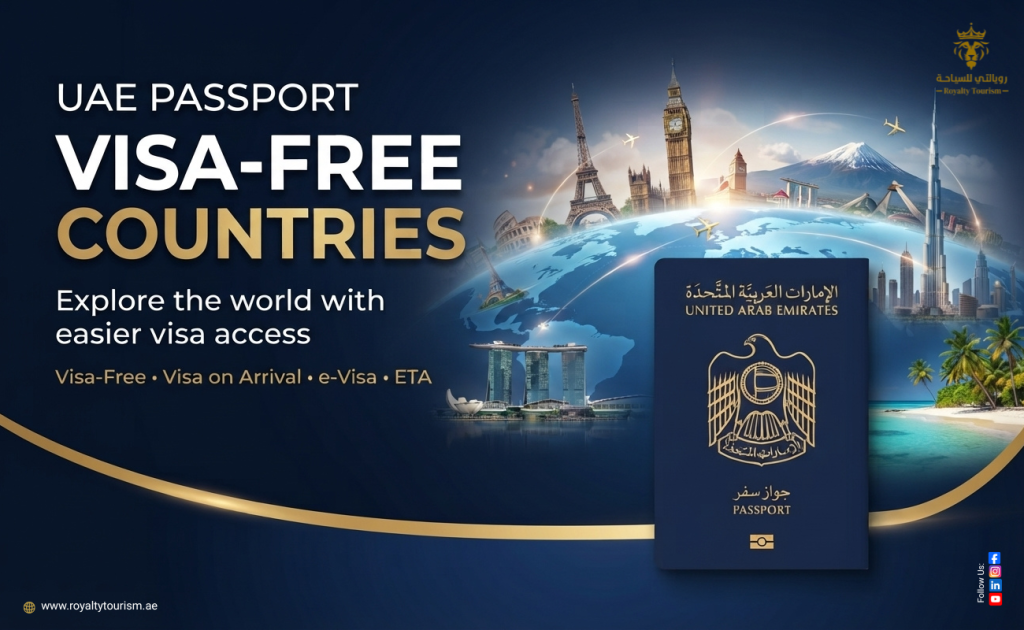
Planning a trip to the United Arab Emirates in 2026? This comprehensive UAE Travel Guide 2026 covers everything you need before departure, from visa requirements and entry rules to Dubai attractions, Abu Dhabi experiences, family holidays, desert safaris, airport transfers, itineraries and stopover planning. Whether you are visiting for a short city break, family vacation, honeymoon, business trip or UAE stopover, this guide helps you plan your journey with practical, up-to-date information. Important: UAE visa and entry requirements can change according to nationality, passport type and immigration policy. Always confirm your individual requirements with official UAE authorities or your airline before travelling. Before You Travel to the UAE A successful UAE holiday starts before you arrive. First, check your passport validity and visa eligibility. Then, confirm your accommodation, return or onward flight, travel insurance and transportation arrangements. The UAE Government recommends that visitors check passport validity, visa requirements, travel advisories and local laws before travelling. UAE Visa Requirements by Nationality UAE visa requirements are primarily based on passport nationality. Therefore, simply holding a residence permit from another country does not automatically provide UAE visa-free access. Generally, travellers fall into three categories: Visa-free or visa-on-arrival travellers Travellers eligible for conditional visa-on-arrival facilities Travellers who must obtain a UAE visa before departure GCC citizens have separate entry arrangements, while many international nationalities can obtain entry permission upon arrival. Other nationalities must arrange a tourist or visit visa before travelling. Visa requirements can depend on more than nationality Before booking your flight, check: Passport nationality Passport type Passport validity Length of intended stay Purpose of travel Existing qualifying visas or residence permits Previous UAE immigration history Airline document requirements Consequently, travellers should avoid relying on outdated visa lists found on social media or unofficial websites. UAE Visa on Arrival Countries The UAE offers visa-on-arrival facilities to citizens of numerous countries. However, the permitted stay and conditions vary between nationalities. For example, several European nationalities, along with citizens of countries such as the United States, Canada, Australia, Japan, China, South Korea and New Zealand, may qualify for visa-on-arrival arrangements under the applicable rules. Conditional Visa-on-Arrival Updates in 2026 A significant 2026 update expanded conditional visa-on-arrival eligibility for nationals of Indonesia, Kenya, the Philippines, South Africa, Thailand and Vietnam who hold qualifying residence permits from specified countries. Indian passport holders may also qualify for a specific visa-on-arrival facility when they meet the required conditions, including holding certain qualifying visas or residence documents. Therefore, eligibility should always be checked against the traveller’s complete documentation rather than nationality alone. UAE Entry Requirements For most visitors, preparing the following documents before departure is recommended: Passport with the required validity Valid UAE visa or confirmed visa-on-arrival eligibility Return or onward ticket Hotel or accommodation details Travel insurance Supporting documents where required Copies of important travel documents In most cases, your passport should have at least six months’ validity from the date of entry. Additionally, some visa categories can have financial or supporting-document requirements. As a result, travellers applying for a pre-arranged visa should review the exact conditions applicable to their nationality. Best Time to Visit UAE For comfortable outdoor sightseeing, October to April is generally the most popular travel period. October to November Temperatures become more comfortable, making this period suitable for city tours, beaches and desert activities. December to February These months are among the busiest for tourism. The weather is pleasant for outdoor activities; however, hotel and attraction demand can also increase. March to April The weather remains suitable for sightseeing, although temperatures gradually rise toward summer. May to September Summer brings very high outdoor temperatures. Nevertheless, visitors can still enjoy the UAE by focusing on indoor attractions, shopping malls, museums, theme parks and hotel facilities. What to Pack for the UAE A practical packing strategy should combine lightweight clothing with suitable options for cultural and religious locations. Bring: Passport and travel documents Comfortable walking shoes Lightweight clothing Sunglasses Sunscreen Swimwear Light jacket or cardigan Modest clothing for cultural sites Universal travel adapter Phone charger and power bank Necessary medication and supporting documents Reusable water bottle Because indoor venues can be heavily air-conditioned, a light jacket can be surprisingly useful even during summer. Dubai Dress Code Dubai is an international destination with a relatively relaxed dress culture. However, visitors should still respect local customs and dress appropriately in public and cultural areas. For example: Beachwear should remain at beaches and swimming pools. Modest clothing is recommended when visiting religious sites. Avoid excessively revealing clothing in public areas. Carry a light covering when visiting cultural attractions. Follow specific dress instructions provided by individual venues. The UAE Government advises visitors to respect local culture and follow public-decency guidelines. UAE Customs & Prohibited Items UAE customs regulations are strict, particularly concerning controlled substances and prohibited goods. Travellers should avoid carrying: Illegal drugs Controlled substances without appropriate documentation Counterfeit currency Certain weapons Prohibited materials Items restricted under UAE law Most importantly, the UAE maintains strict rules concerning narcotics and recreational drugs. Prescription medication If you travel with prescription or controlled medication, check the current UAE requirements before departure. Keep medication in its original packaging and carry the relevant prescription or medical documentation. Cash declaration Travellers carrying cash or financial instruments exceeding AED 60,000 or the equivalent may be required to declare them to customs. UAE Travel Rules & Laws UAE laws can differ significantly from those in other countries. Therefore, visitors should take time to understand basic local regulations. Important guidelines include: Respect local customs and religious practices. Avoid offensive or abusive behaviour. Follow photography restrictions. Do not photograph sensitive government, military or security facilities. Follow alcohol regulations. Do not possess or use illegal drugs. Follow road and traffic laws. Respect public-decency regulations. During Ramadan, visitors should also remain particularly aware of local customs and religious practices. When uncertain, choosing the more respectful and conservative approach is the safest option. UAE Currency & Money Guide The official currency is the UAE dirham (AED). Credit and debit cards are widely accepted